
A voice in Berlin for owner-managed businesses
How can small and medium-sized businesses be heard more clearly in federal politics? Representatives of several BDS state associations spent a day working on this question at Gendarmenmarkt.
A report by Jan Dietz, Managing Director of oeconos GmbH and President of the Bund der Selbständigen (BDS) Baden-Württemberg
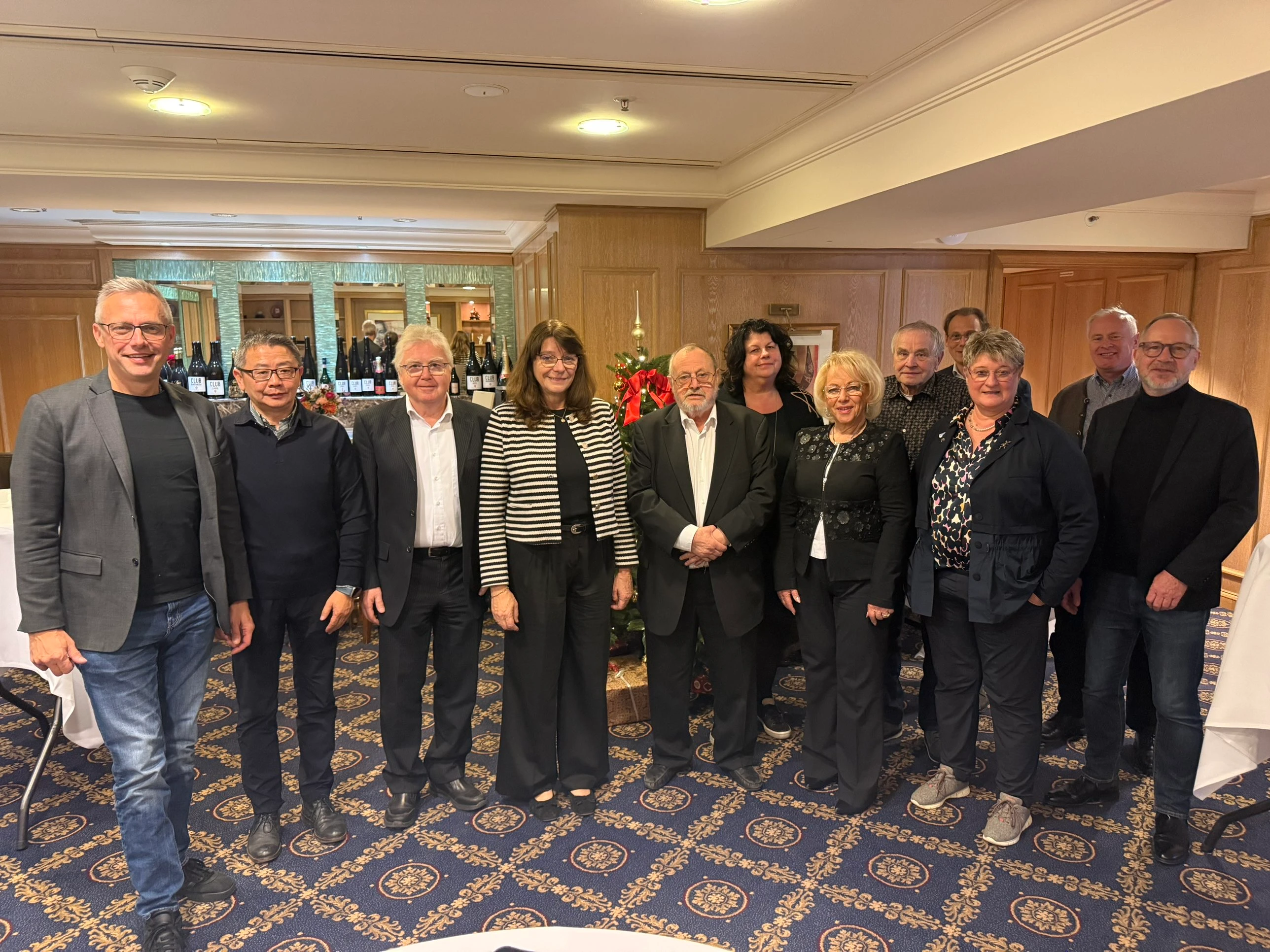
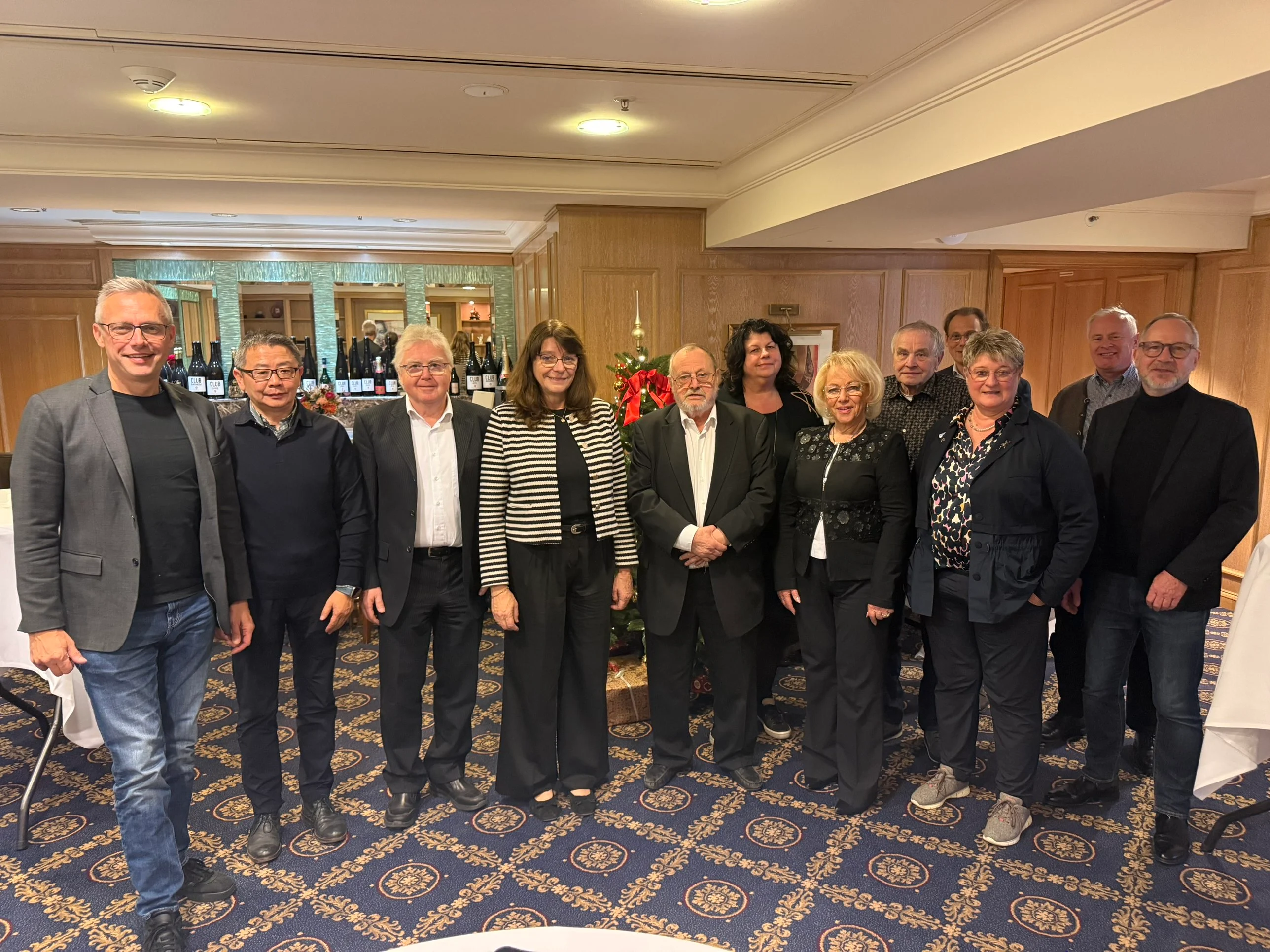
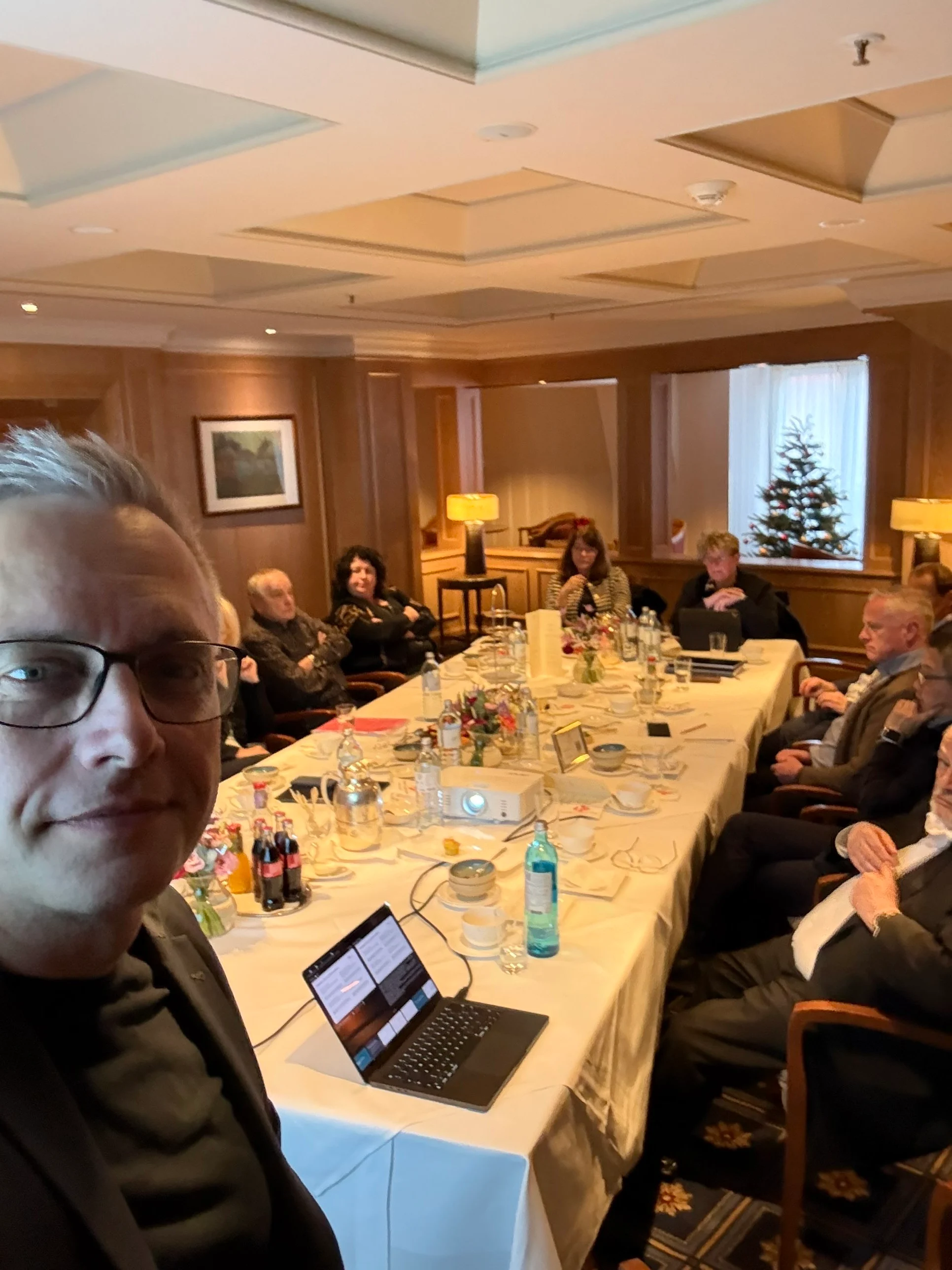
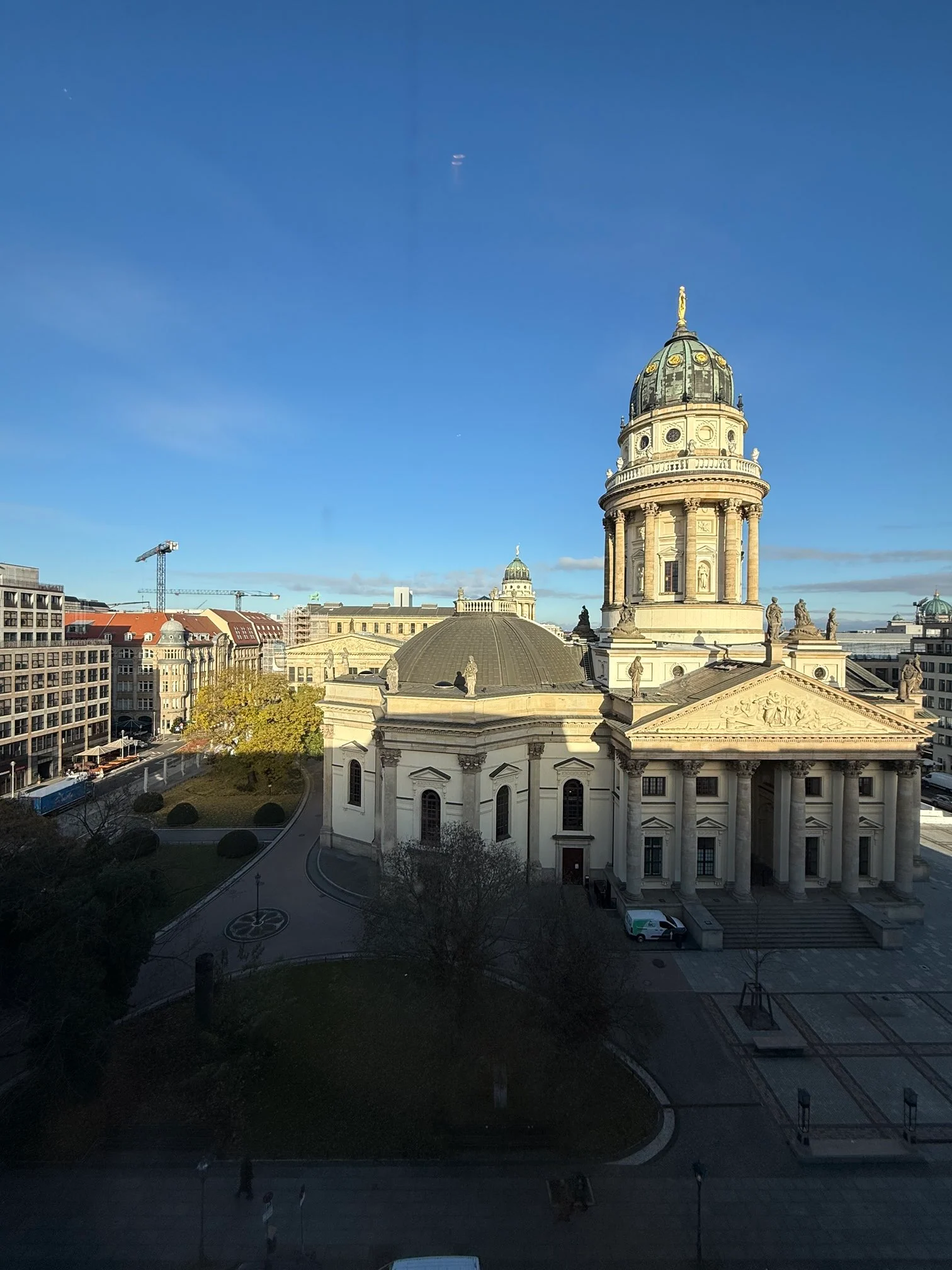
On Thursday, 26 November 2026, we met with representatives of several BDS state associations for a full-day workshop at the Berlin Capital Club on Gendarmenmarkt. For some time now, we have been working to realign the BDS/DGV, the Bund der Selbständigen / Deutscher Gewerbeverband (the German federation of the self-employed and trade associations), whose tradition goes back to 1891. The concerns of owner-managed businesses should once again carry more weight in federal politics.
Who keeps the country running
We represent businesses whose owners make the decisions and carry the responsibility themselves. Many of them are considerably smaller than what is traditionally understood as the German Mittelstand. Figures from the Institut für Mittelstandsforschung (IfM) Bonn for 2024 show how much small and medium-sized enterprises as a whole matter:
- 99.2 per cent of businesses in Germany are small and medium-sized enterprises.
- They employ 54.4 per cent of all employees in dependent employment.
- 68.4 per cent of all apprentices train in businesses with fewer than 250 employees subject to social insurance contributions.
The COVID-19 period in particular showed how good these businesses are at finding their own solutions. Politically, they still get too little attention: laws are often better suited to industry and larger companies.
The issues on business owners’ minds
What dedicated departments handle in large companies usually ends up on the owner’s desk in a small business. Three areas come first for us:
- Old-age provision and bogus self-employment: Our most important issue. Unclear criteria and lengthy status procedures burden founders in particular and can deter companies from working with self-employed people.
- Cutting red tape: Documentation, inspection and reporting duties affect small businesses, often indirectly through their customers’ requirements as well.
- Working time and personal responsibility: Rules on working hours and rest periods need more flexibility and pragmatism.
Our discussions also covered social legislation, taxes, energy and education, among other topics.
Taking it to Berlin together
The workshop went very well. At the end we agreed: we want to develop positions on these issues and once again put them to policymakers in Berlin together. What each association achieves in its own state has an impact at federal level above all when it is pooled. Our goal is tangible improvements for owner-managed businesses.
Do you run your own business and have a concern that needs to be heard in Berlin? Get in touch with us.